Cancer has always been perceived as a frightening diagnosis. It is often associated with the fear of pain, prolonged treatment and uncertainty. For many, especially those from underprivileged households, the fear multiplies when the disease demands complex surgical intervention. Cancer procedures are often associated with high cost and limited access, which makes them seem impossible outside private hospitals. However, cancer is treatable, and with the advent of robotic-assisted surgery in government setups, it is becoming more precise and increasingly accessible.
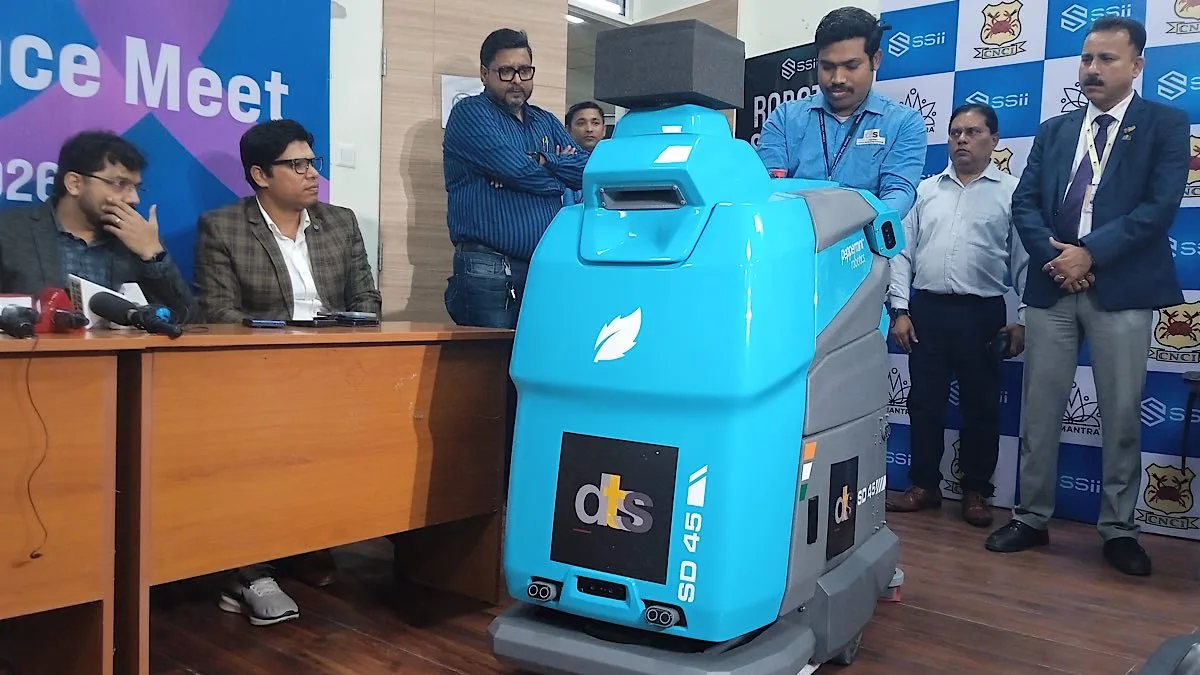
Recently, the Chittaranjan National Cancer Institute (CNCI) showcased how technology is transforming cancer care in the public healthcare system. CNCI hosted a press conference on World Cancer Day in association with SS Innovations International. The conference highlighted the growing role of robotic-assisted surgery in improving cancer outcomes while keeping treatment affordable.
Advertisement
Medical Superintendent, Dr Sankar Sengupta, noted that this initiative is particularly significant because it has been set up in a government hospital. “Robotic surgery is common in private hospitals, but rare in public institutions. We want people to know that robotic surgery is now available at CNCI. This is probably the first government hospital where robotic surgery has been introduced. We have been working with robotic surgery for over four months. On World Cancer Day, we wanted people to know about this advancement,” he said.
The conference was attended by notable dignitaries, including the doctors of the institute. Surgeons highlighted the clinical advantages of robotic-assisted procedures. Dr Durga Prasad Nanda explained that robotic surgery minimises hand tremors, enhances precision and offers superior reach. These features are beneficial for surgeries in deep and complex areas such as the pelvis. The 3D camera with 360-degree visualisation provides depth and clarity that surpasses laparoscopic surgery. Dr Sagar Sen further added that this magnification significantly reduces the chances of error and allows cancer-directed surgeries to be performed in a more nuanced manner. However, they emphasised that laparoscopic surgery is equally important and that not all surgeries require robotic assistance. “In some surgeries, robotic surgery has an upper hand, but in some cases, laparoscopic surgery might be more useful,” Dr Nanda claimed.
In his address, Dr Sudhir Srivastava, Founder, Chairman & CEO of SS Innovations International Inc., shared, “When we speak about advancing cancer care in India, the conversation must go beyond innovation to include access. For a long time, advanced surgical technologies were available only to a limited few in large cities. Our vision at SS Innovations has been to change that by building affordable, Made-in-India robotic systems that can be adopted widely.”
Robotic surgery has shown particular promise in gynaecological and endometrial cancers. Dr Dipanwita Banerjee stressed that affordability remains central to cancer care. “Patients below the poverty line should not feel that advanced treatment is beyond their reach. Even in a government hospital, we can provide updated and advanced technology,” she stated. She went on to add that doctors have undergone rigorous training to deliver such care.
Beyond surgery, CNCI also announced an innovative step towards infection control. “Hygiene is very important, along with advanced treatment. This is why we have also started floor cleaning through a robotic system on this day,” Dr Sengupta affirmed.
As the world evolves, initiatives like this signal a shift in which advanced, Made-in-India technology brings world-class care within reach of those who need it the most.